Carnival in Las Palmas de Gran Canaria
Why the Gran Canaria Carnival is the island's biggest and longest festival
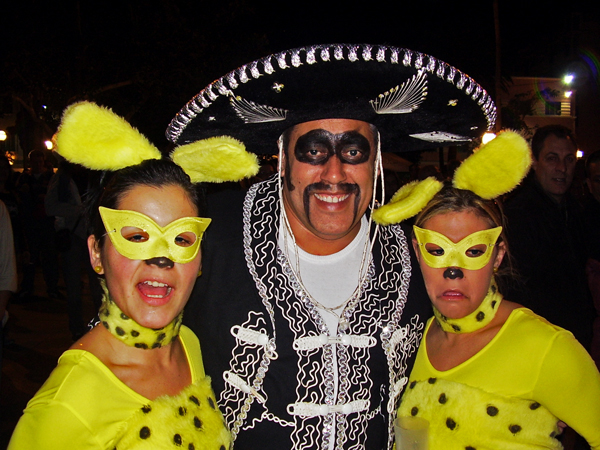
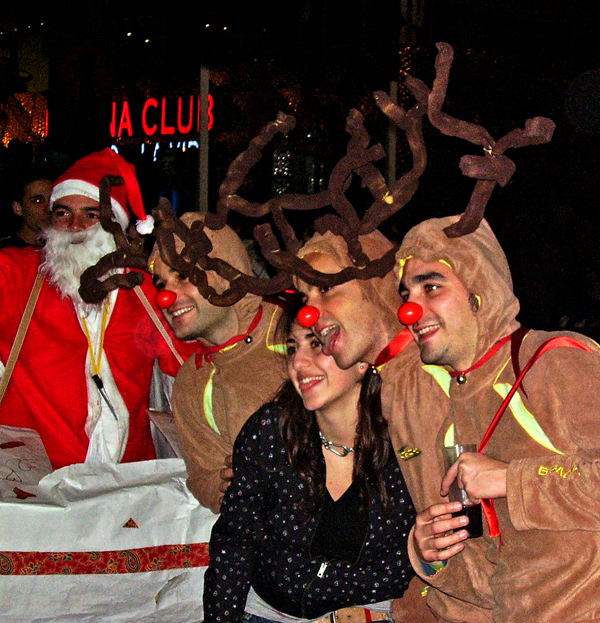
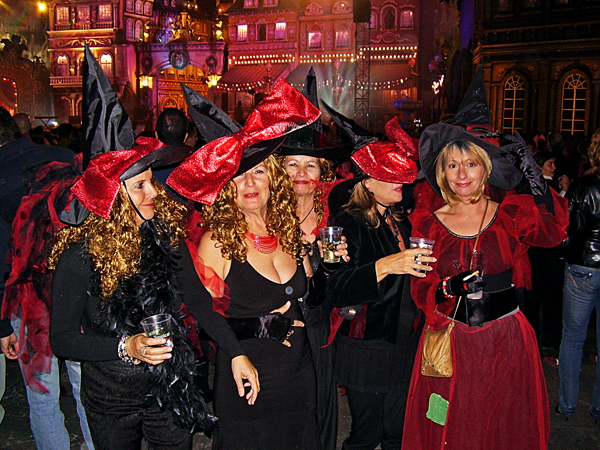
Carnival in Las Palmas de Gran Canaria is far more than a parade: six weeks of galas, concerts and open-air parties take over the whole city. Locals plan their year around it, taking part in fancy-dress contests, murgas and the famous Drag Queen Gala, before the festival ends with the Burial of the Sardine on Las Canteras beach.
Every year, usually between January and March, Las Palmas de Gran Canaria hosts one of the largest and longest carnivals in Spain. The Carnival of Las Palmas has been officially recognised as a Fiesta of International Tourist Interest since 2023, and it was listed as Intangible Cultural Heritage of the Canary Islands back in 2016. In 2025, the festival drew a record of more than 800,000 visitors and over 5,000 active participants across its events.
A Festival the Whole City Takes Part In
What sets the Las Palmas Carnival apart from many other carnivals is the sheer level of local participation. This is not a show that residents simply watch from the pavement. Thousands of "Palmenses" spend months preparing costumes, rehearsing dance routines with a comparsa, or writing satirical songs for a murga group. Local media report that in some years, over a third of the entire population of the Canary Islands has followed the celebrations on television, and the event generates tens of millions of euros in media coverage for the city each season. For many residents, Carnival is not just an event on the calendar – it is a shared identity that shapes the whole winter season in Las Palmas.
The Longest Festival on the Island
Unlike a single festival day, Carnival in Las Palmas typically runs for five to six weeks, making it the longest continuous celebration held anywhere on Gran Canaria. The programme builds gradually: it opens with the Pregón (opening ceremony), moves through weeks of murga and comparsa competitions, costume contests and themed galas, and reaches its peak in the final week with the Grand Parade and the Burial of the Sardine. Special late-night bus services run throughout the weeks, and it is common to see people out on the streets of Santa Catalina until sunrise on weekend nights.
Carnival Highlights
Some events return year after year and form the backbone of every Carnival season in Las Palmas:
- Pregón: the official opening ceremony, usually held on the main stage in Parque Santa Catalina, marking the start of several weeks of festivities.
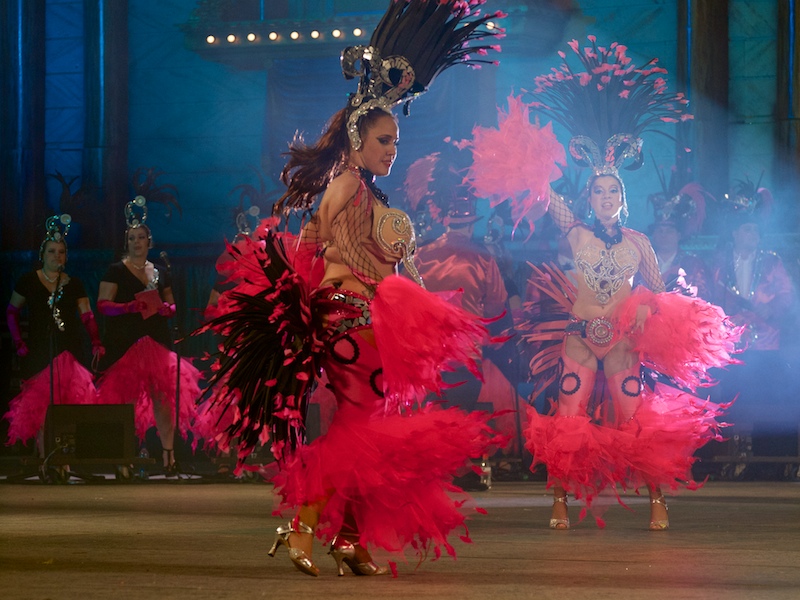
- Murgas and Comparsas contests: local groups compete with satirical songs (murgas) and choreographed dance routines with live batucada drumming (comparsas) — a tradition that runs across several evenings.
- Gala de la Reina (Carnival Queen Gala): a major stage show in which candidates present elaborate costumes to be crowned Carnival Queen, one of the most-watched events of the season.
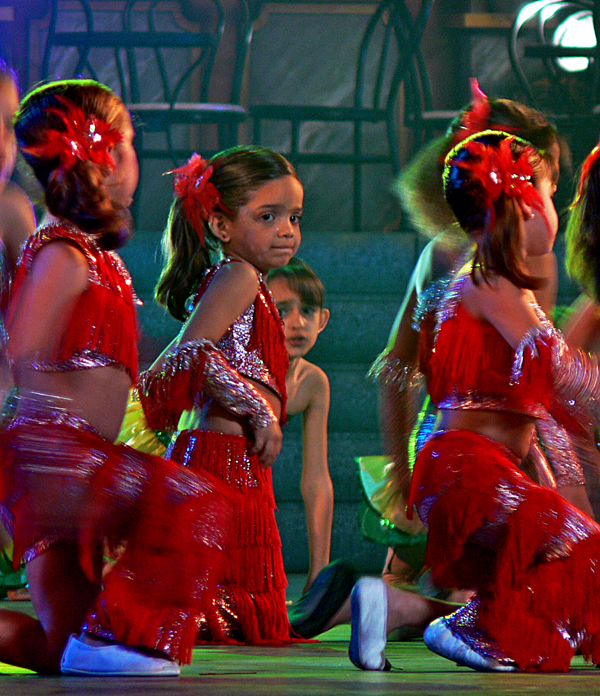
- Gala de la Reina Infantil: the children's version of the queen gala, with its own young candidates and audience.
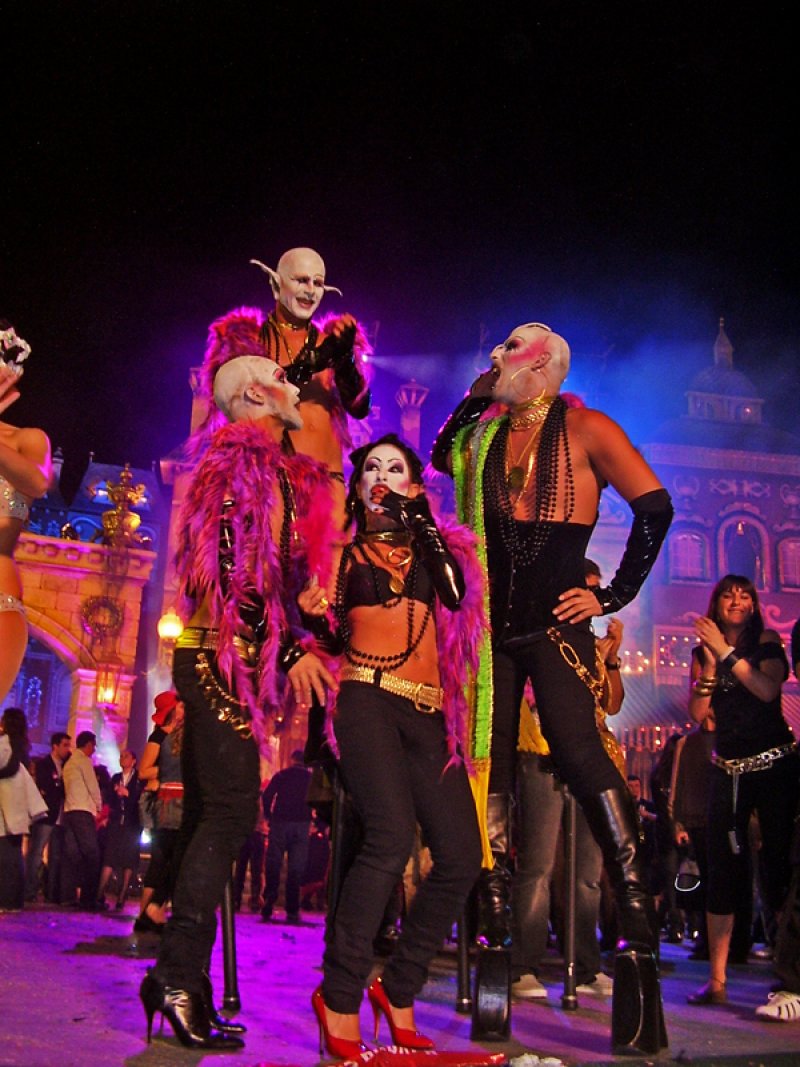
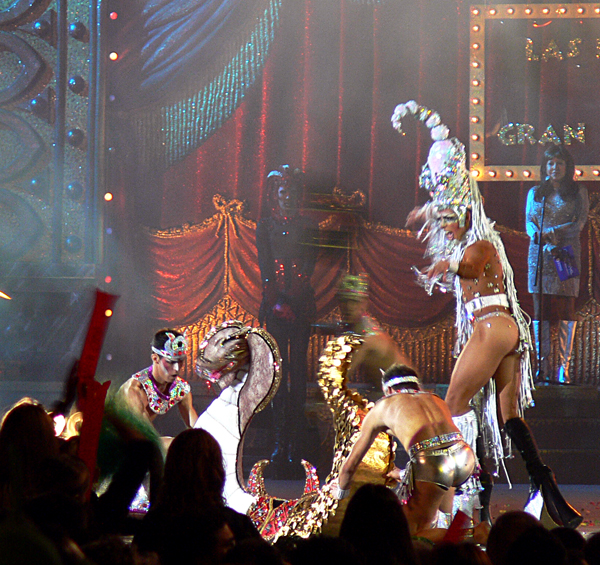
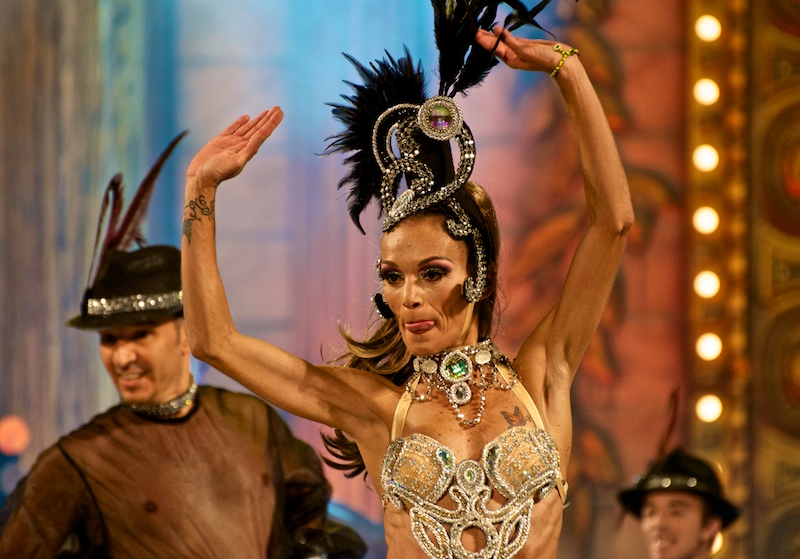
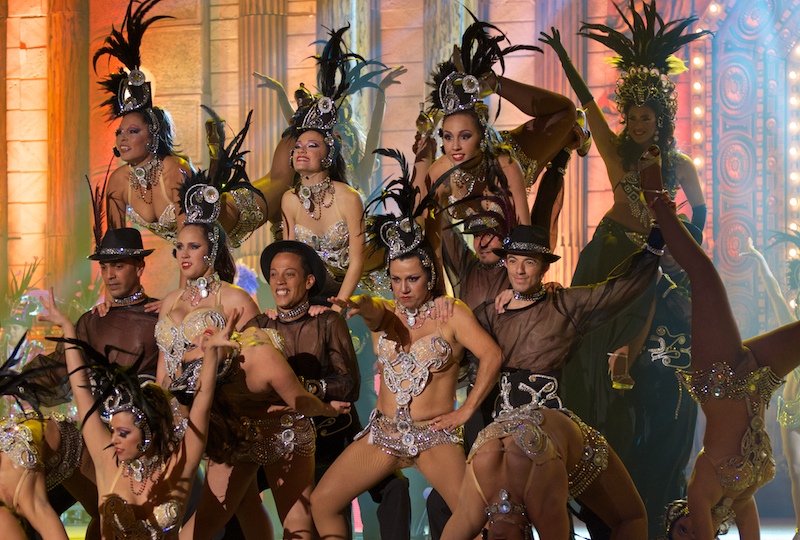
- Drag Queen Gala: introduced in 1998, this has grown into one of the most popular and talked-about events of the entire Carnival, with finalists performing elaborate three-minute stage routines. A pre-selection gala is usually held in the weeks before.
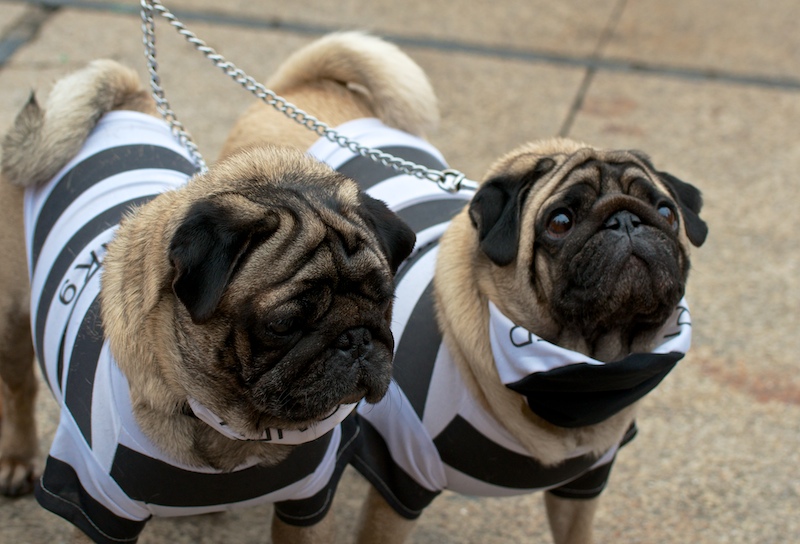
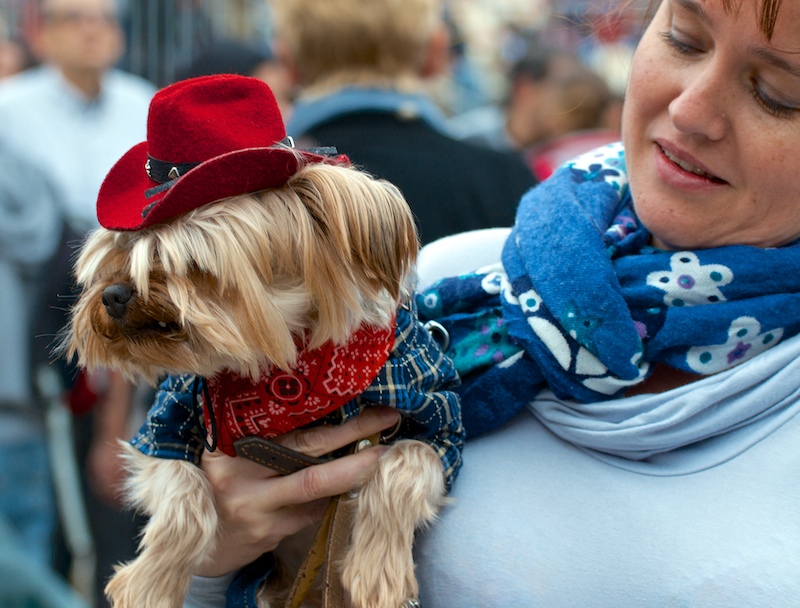
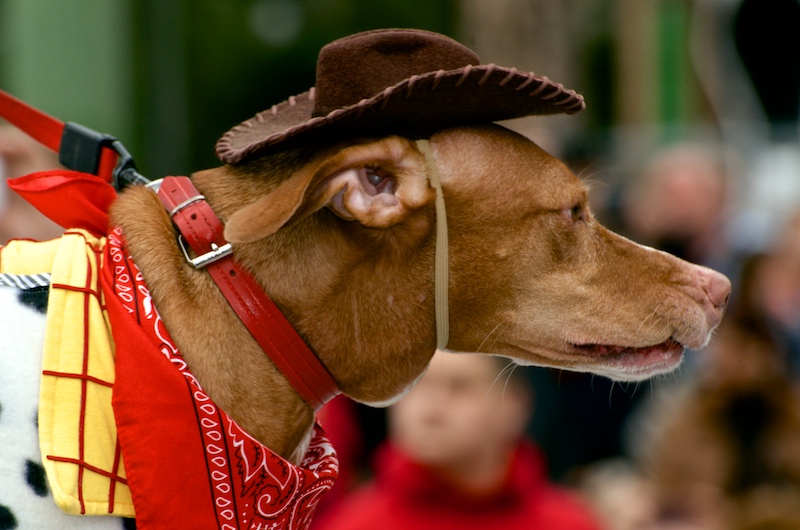
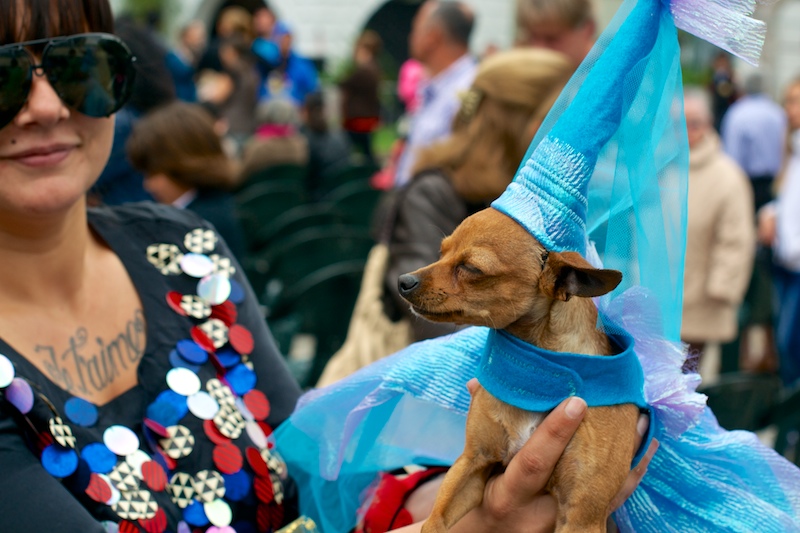
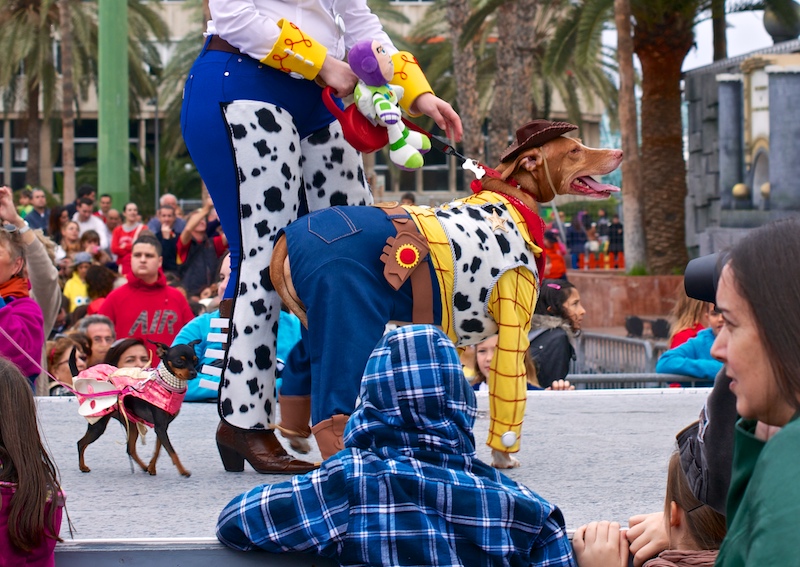
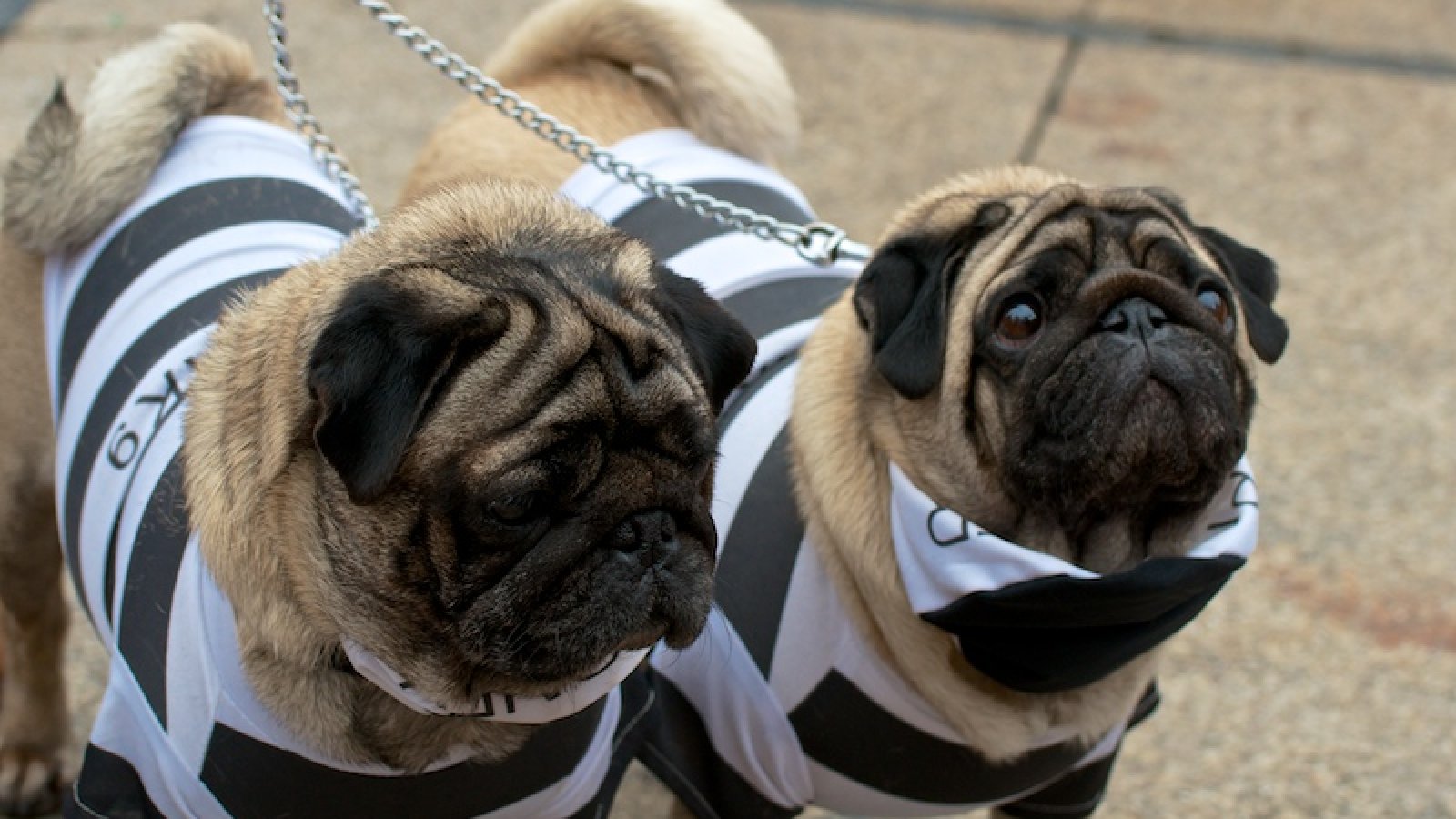
- Carnaval Canino: a light-hearted costume contest for dogs, popular with families.
- Cabalgata Infantil: a children's parade through the city centre.
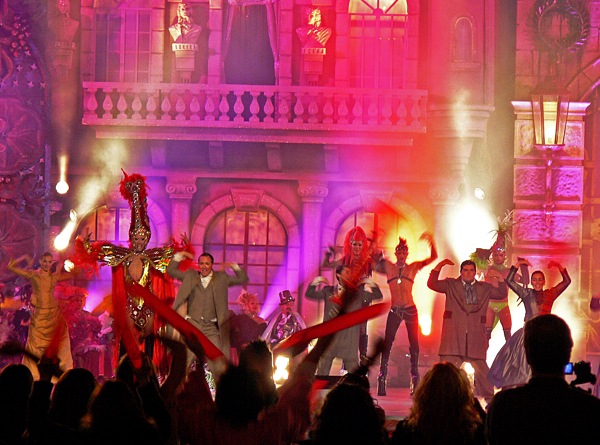
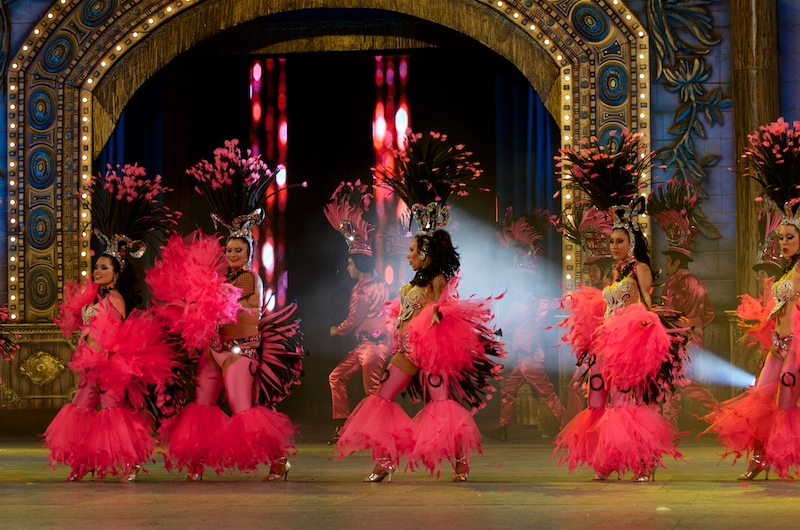
- Gran Cabalgata (Grand Parade): the main carnival parade, taking a route of several kilometres from the port area through to the old town, with floats, costumed groups and music.
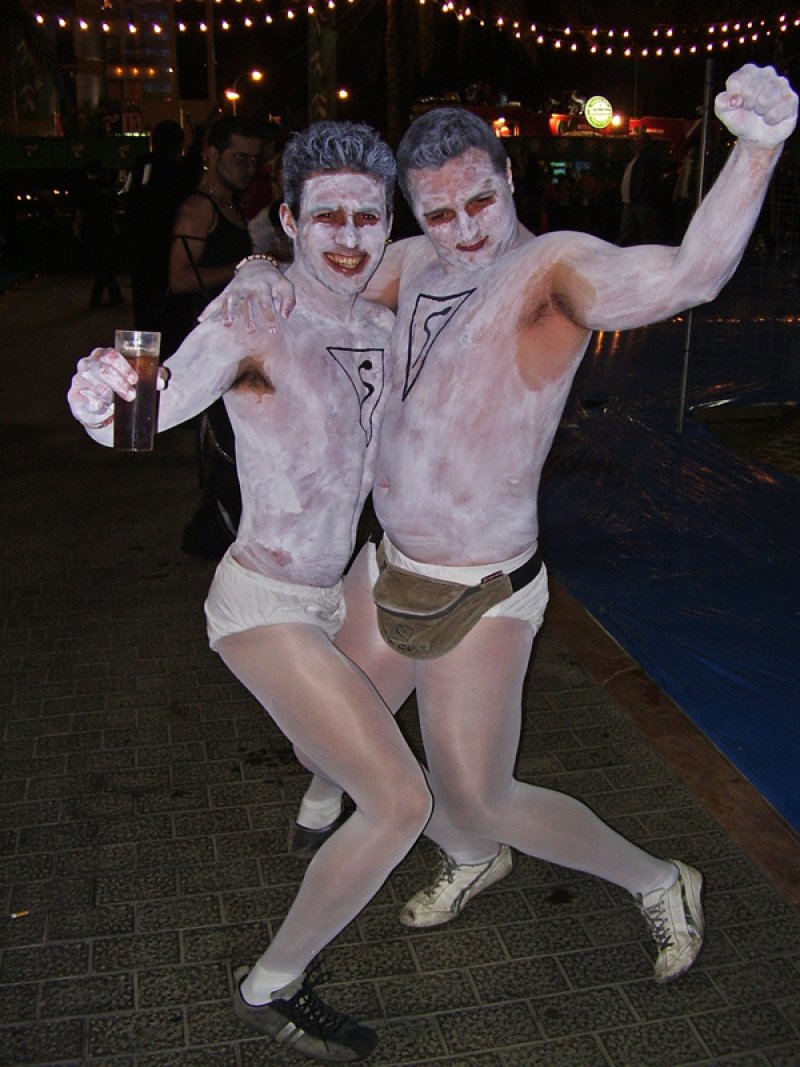
- Carnaval de los Indios: held around Plaza Cairasco in the Triana district, this tradition recalls emigrants returning from Latin America and is marked by white, lace-trimmed clothing and clouds of talcum powder rather than typical carnival colours.
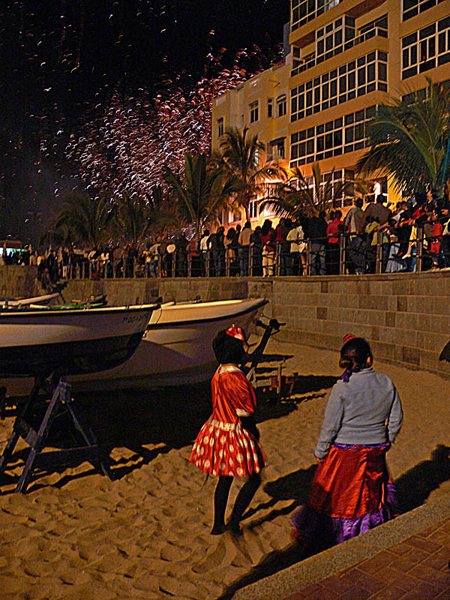
- Entierro de la Sardina (Burial of the Sardine): the traditional closing ceremony, in which a giant sardine figure is paraded to Las Canteras beach and symbolically burned, marking the end of Carnival for another year.
Alongside the official programme, surprise concerts by well-known Latin and pop artists are usually announced only shortly before Carnival begins.
Getting There / Transport Connections
Most Carnival events take place around Parque Santa Catalina and the surrounding Santa Catalina and Triana districts, both within easy reach of central Las Palmas. Local Guaguas Municipales buses serve the area, and additional late-night services usually run during Carnival weekends. Taxis and private transfers are a reliable alternative for the busiest nights, particularly for the Grand Parade and the Burial of the Sardine.
Nearby Attractions
| Attraction | Distance from Parque Santa Catalina |
|---|---|
| Las Canteras Beach | ~10 minutes on foot |
| Vegueta & Triana Old Town | ~20–25 minutes on foot |
| Mesa y López Shopping Street | ~5 minutes on foot |
| Santa Catalina Bus Station | ~5 minutes on foot |
Bilder Karneval